AI Model Casting: Digital Fashion Models for Brand Marketing

Advertflair AI Team
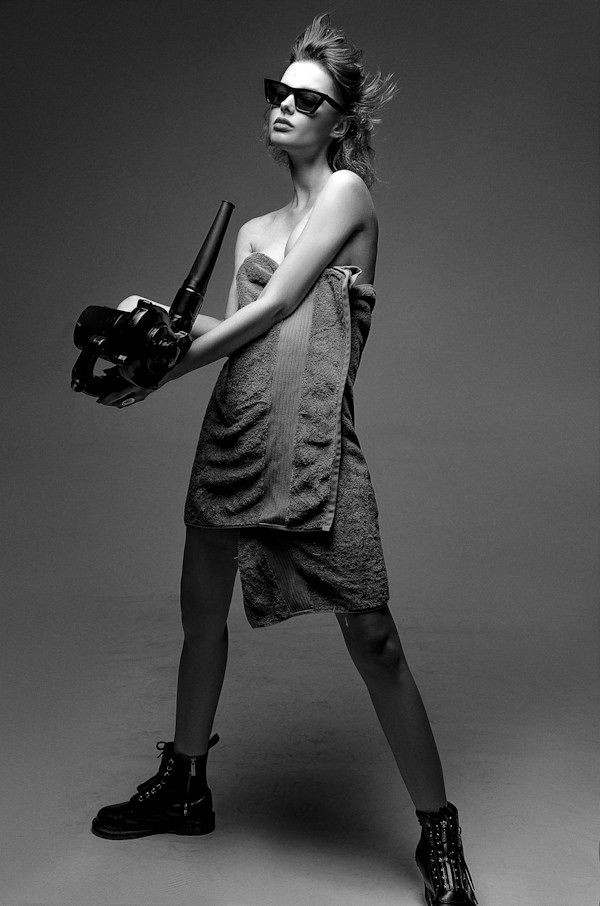
The fashion and retail industry stands at the precipice of a revolutionary transformation. Traditional model casting, once dominated by lengthy searches, expensive shoots, and logistical nightmares, is being reimagined through the power of artificial intelligence. Welcome to the era of digital casting and AI-generated models – a paradigm shift that's not just changing how brands create visual content, but fundamentally altering the economics and possibilities of fashion marketing.
Understanding AI Model Casting: Beyond Traditional Photography
AI model casting represents a groundbreaking approach to creating fashion and product photography that eliminates many traditional barriers while opening unprecedented creative possibilities. Unlike conventional casting that requires coordinating schedules, booking studios, and managing complex production logistics, AI model casting generates photorealistic human models through advanced artificial intelligence algorithms.
This technology leverages sophisticated machine learning models trained on vast datasets of human features, expressions, and poses. The result? Digital fashion models that are virtually indistinguishable from their human counterparts, offering brands complete control over every aspect of their visual representation.
The implications extend far beyond mere convenience. AI model casting enables brands to create diverse, inclusive representation without the geographical limitations of traditional casting. Whether you need a model with specific ethnic features, body type, or aesthetic that perfectly aligns with your brand identity, AI can generate exactly what your marketing vision demands.
The Technical Marvel Behind Synthetic Model Creation
The sophistication of modern AI model casting lies in its ability to understand and replicate the nuances of human appearance and behavior. Advanced neural networks analyze countless parameters – from facial bone structure and skin texture to how fabric drapes across different body types and how light interacts with various surfaces.
These systems don't simply paste faces onto generic bodies. Instead, they generate cohesive, realistic human forms with consistent lighting, proportions, and visual characteristics that maintain authenticity across multiple images. The technology ensures that every generated model possesses the subtle imperfections and natural variations that make human subjects believable and relatable.
Quality control mechanisms built into these systems perform real-time analysis of generated content, checking for anatomical accuracy, lighting consistency, and overall photorealism. This automated quality assurance, combined with human oversight, ensures that the final output meets the exacting standards required for professional marketing campaigns.
Transforming Brand Economics Through Virtual Model Casting
The economic advantages of AI model casting extend far beyond the obvious cost savings of eliminating traditional photography sessions. Brands can now generate unlimited variations of their product photography without additional model fees, studio rentals, or production coordination costs.
Consider the traditional process: finding the right model often takes weeks, coordinating schedules another week, booking studio time and crew adds additional complexity, and any changes or reshoots require restarting the entire process. A single product shoot might cost thousands of dollars and deliver limited variations.
AI model casting flips this equation entirely. Brands can generate dozens of model variations for a single product, test different demographics, experiment with various styling approaches, and iterate rapidly based on performance data. The ability to create seasonal campaigns, test market preferences, and adapt to trending aesthetics becomes not just feasible but economically attractive.
Furthermore, the consistency offered by AI models ensures brand coherence across campaigns. While human models might look different from shoot to shoot due to lighting, styling, or natural changes, AI-generated models maintain perfect consistency, strengthening brand recognition and visual identity.
Ready to transform your brand's visual marketing with AI model casting?
Diversity and Inclusion: AI's Democratic Approach to Representation
One of the most compelling aspects of AI model casting is its potential to democratize representation in fashion marketing. Traditional casting often faces limitations based on model availability, geographic constraints, and industry biases that have historically led to homogeneous representation.
AI model casting breaks down these barriers by generating models across the full spectrum of human diversity. Brands can ensure their marketing materials represent their actual customer base, featuring models of various ethnicities, body types, ages, and aesthetic preferences without the logistical challenges of traditional casting calls.
This technological capability aligns perfectly with contemporary consumer expectations for inclusive marketing. Modern shoppers increasingly expect to see themselves represented in brand communications, and AI model casting makes this representation not just possible but practical and cost-effective.
The technology also enables brands to test how different demographic representations perform with their target audiences, optimizing their marketing approach based on actual performance data rather than assumptions or industry conventions.
Creative Freedom: Unlimited Possibilities in Digital Fashion Models
AI model casting liberates creative teams from the constraints that have traditionally limited fashion photography. Need a model with a specific look that doesn't exist in your local talent pool? AI can generate exactly what your creative vision demands. Want to test how your products look across dozens of different model types? Generate them instantly.
This creative freedom extends to practical considerations as well. Seasonal campaigns can be created year-round without weather constraints. Products can be photographed on models before physical samples are even produced. Marketing teams can iterate rapidly, testing multiple creative approaches before committing to large-scale campaigns.
The technology also enables brands to maintain creative consistency across global markets while adapting to local preferences. A single product can be photographed on models that resonate with specific regional markets, all generated from the same AI system with consistent lighting and styling.
Quality Assurance and Brand Standards in AI-Generated Content
Professional AI model casting systems incorporate rigorous quality control mechanisms to ensure output meets commercial photography standards. Advanced algorithms analyze generated images for technical quality, checking exposure, color accuracy, sharpness, and composition against predefined parameters.
Human quality assurance remains crucial in this process. While AI excels at generating technically proficient images, human reviewers ensure that the creative intent is preserved and that subtle brand requirements are met. This hybrid approach combines the efficiency of automation with the nuanced judgment that professional marketing demands.
Brand DNA integration ensures that generated models align with established brand aesthetics and values. Whether your brand targets luxury consumers or focuses on accessibility, AI systems can be calibrated to generate models that reinforce your brand positioning consistently across all marketing materials.
Integration with Existing Marketing Workflows
Modern AI model casting solutions are designed to integrate seamlessly with existing marketing and e-commerce workflows. Generated images can be delivered in any required format, resolution, or specification, making them immediately usable across various marketing channels.
The technology works particularly well alongside AI product photography systems, enabling brands to create complete lifestyle and product photography suites without traditional production constraints. This integration streamlines the entire visual content creation process, from initial concept to final marketing deployment.
Marketing teams can maintain their existing approval processes and creative workflows while benefiting from dramatically reduced production timelines and costs. The technology enhances rather than replaces existing creative processes, providing new tools and capabilities within familiar operational frameworks.
Measuring Success: Performance Metrics for AI Model Casting
The effectiveness of AI model casting can be measured through traditional marketing metrics, but the technology also enables new forms of analysis and optimization. A/B testing different model types becomes economically feasible, allowing brands to optimize their visual marketing based on actual performance data.
Engagement rates, conversion metrics, and customer feedback provide clear indicators of how AI-generated models perform compared to traditional photography. Many brands report improved performance metrics when using AI models that better represent their target demographics.
The ability to rapidly generate variations also enables more sophisticated testing methodologies. Brands can test subtle differences in model selection, poses, or styling to optimize their marketing effectiveness continuously.
Addressing Common Concerns and Misconceptions
Professional AI model casting addresses many concerns about artificial intelligence in marketing through transparency and quality control. The technology is designed to augment rather than replace human creativity, providing new tools for creative professionals rather than eliminating their roles.
Ethical considerations around AI-generated models are addressed through responsible development practices and clear disclosure policies. Professional systems ensure that generated content is clearly identified as AI-created when appropriate, maintaining transparency with consumers.
The technology's sophistication means that quality concerns often associated with early AI-generated content are largely resolved. Modern systems produce images that meet professional standards for commercial use, backed by rigorous testing and quality assurance processes.
The Future Landscape of Digital Fashion Marketing
As AI model casting technology continues to evolve, its applications will expand beyond traditional photography into virtual reality, augmented reality, and interactive marketing experiences. The foundation being built today will support increasingly sophisticated marketing applications in the coming years.
The integration of AI model casting with other emerging technologies promises to create entirely new categories of marketing experiences. Imagine interactive shopping experiences where customers can see products on AI models that match their own characteristics, or virtual fashion shows featuring AI models showcasing upcoming collections.
Industry adoption continues to accelerate as brands recognize the competitive advantages offered by AI model casting. Early adopters are establishing market positions based on their ability to create more diverse, cost-effective, and responsive marketing campaigns.
Implementation Strategy for Modern Brands
Successfully implementing AI model casting requires a strategic approach that considers both immediate needs and long-term marketing objectives. Brands should begin by identifying specific use cases where AI models offer clear advantages over traditional photography, such as high-volume product photography or diverse market representation.
Pilot programs allow brands to test AI model casting capabilities while maintaining existing production workflows. This approach enables teams to develop expertise with the technology while measuring its effectiveness against established benchmarks.
Integration planning should consider how AI model casting fits within broader marketing technology stacks and creative processes. The most successful implementations align AI capabilities with existing brand guidelines and creative standards while leveraging the technology's unique advantages.
Ready to Transform Your Brand's Visual Marketing?
The revolution in fashion marketing through AI model casting is not a distant future possibility – it's happening now. Brands across industries are discovering how this technology can transform their marketing effectiveness while reducing costs and expanding creative possibilities.
Start your journey with AI model casting through our comprehensive ten-SKU pilot program for just two thousand dollars. In five to seven days, you'll receive professional-quality product photography featuring AI-generated models tailored to your brand's specific requirements and target demographics.
This pilot program provides everything you need to evaluate AI model casting for your brand: diverse model options, professional quality output, and seamless integration with your existing marketing workflows. Experience firsthand how this technology can revolutionize your visual marketing approach while maintaining the quality standards your customers expect.
The future of fashion marketing is here, and it's more accessible, diverse, and creative than ever before. Don't let your brand fall behind in this rapidly evolving landscape – embrace the possibilities of AI model casting and discover how it can transform your marketing effectiveness today.
Start Your AI Model Casting Pilot Today
10-SKU pilot program — $2,000, 14 days. Experience diverse, on-brand AI-generated models tailored to your target demographics.